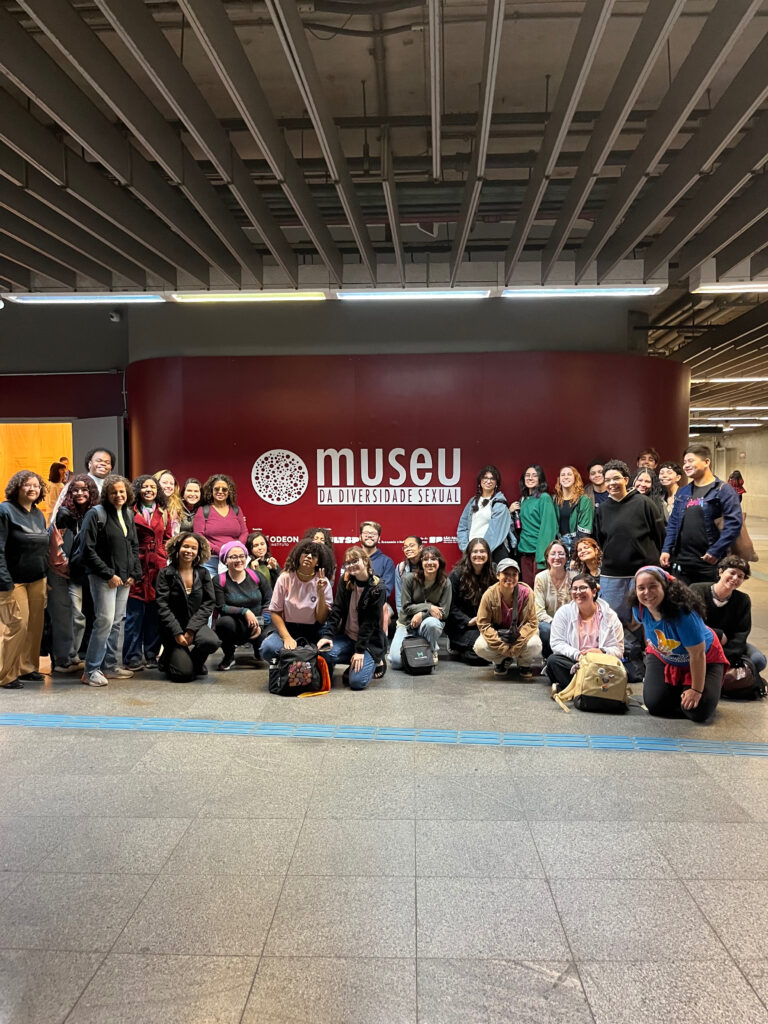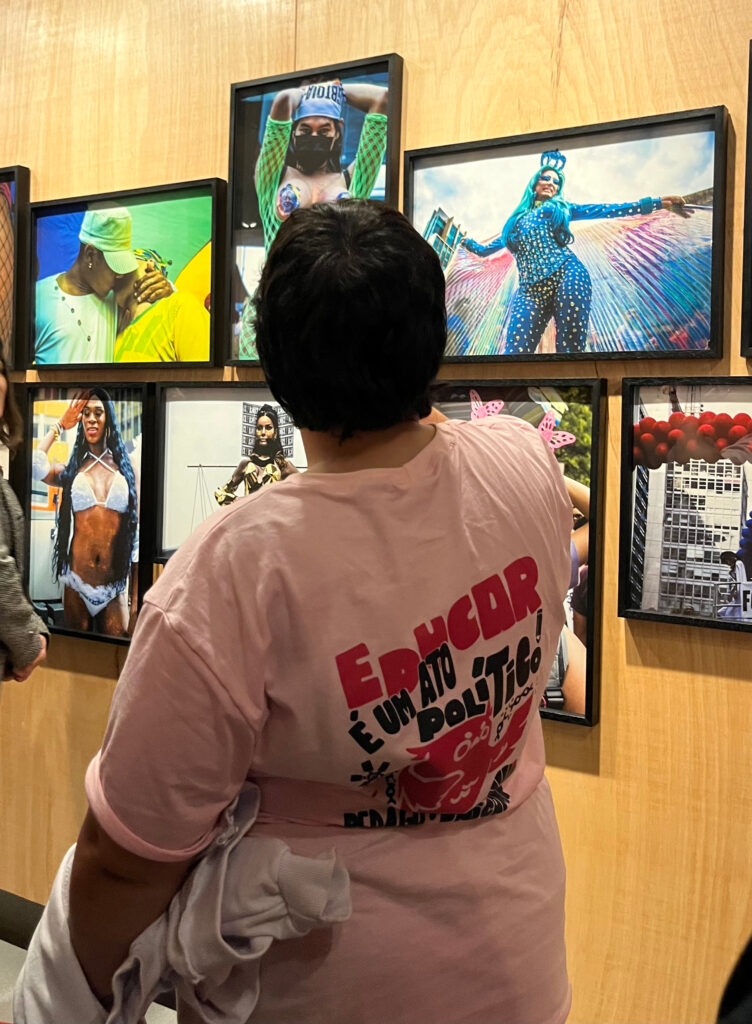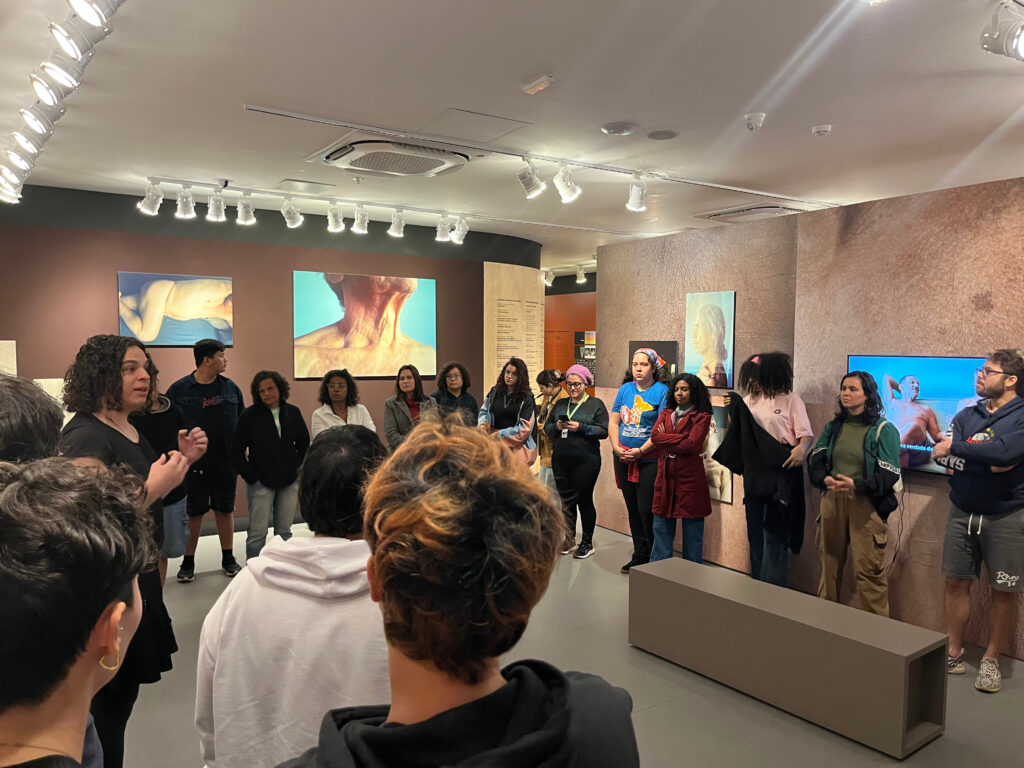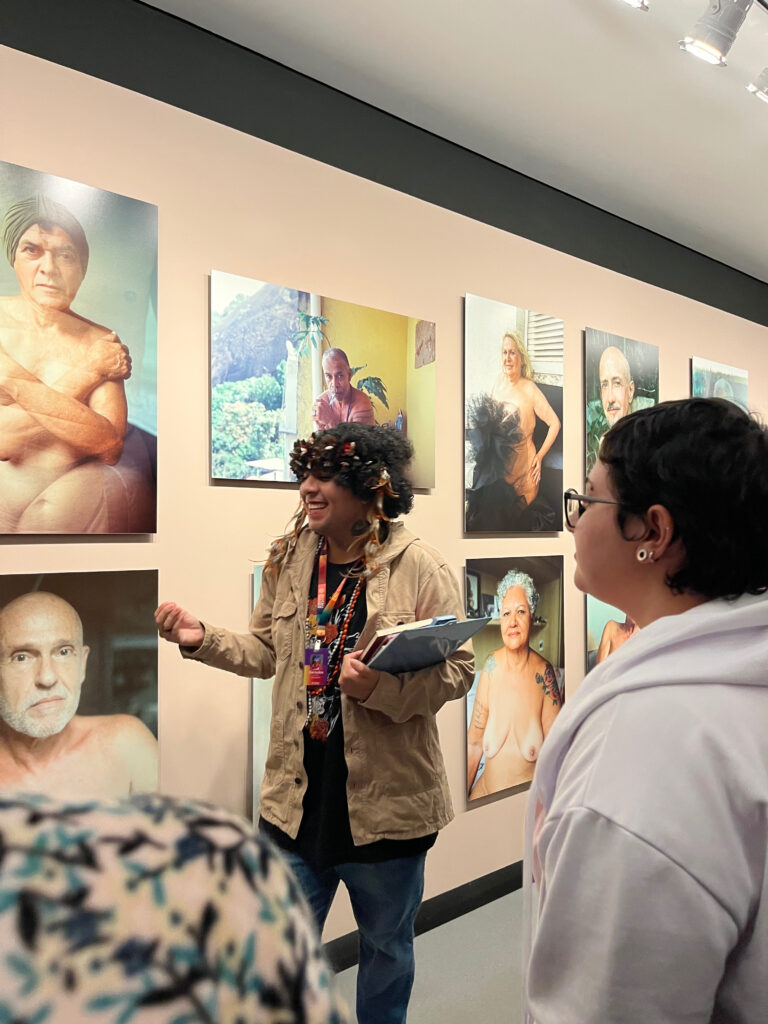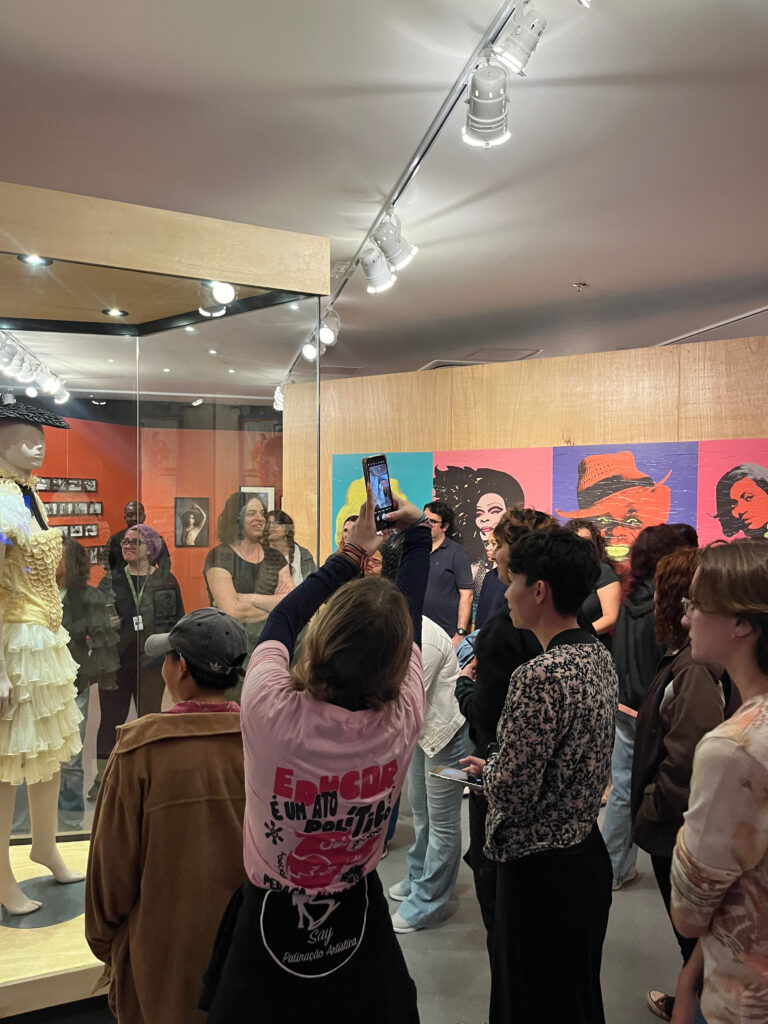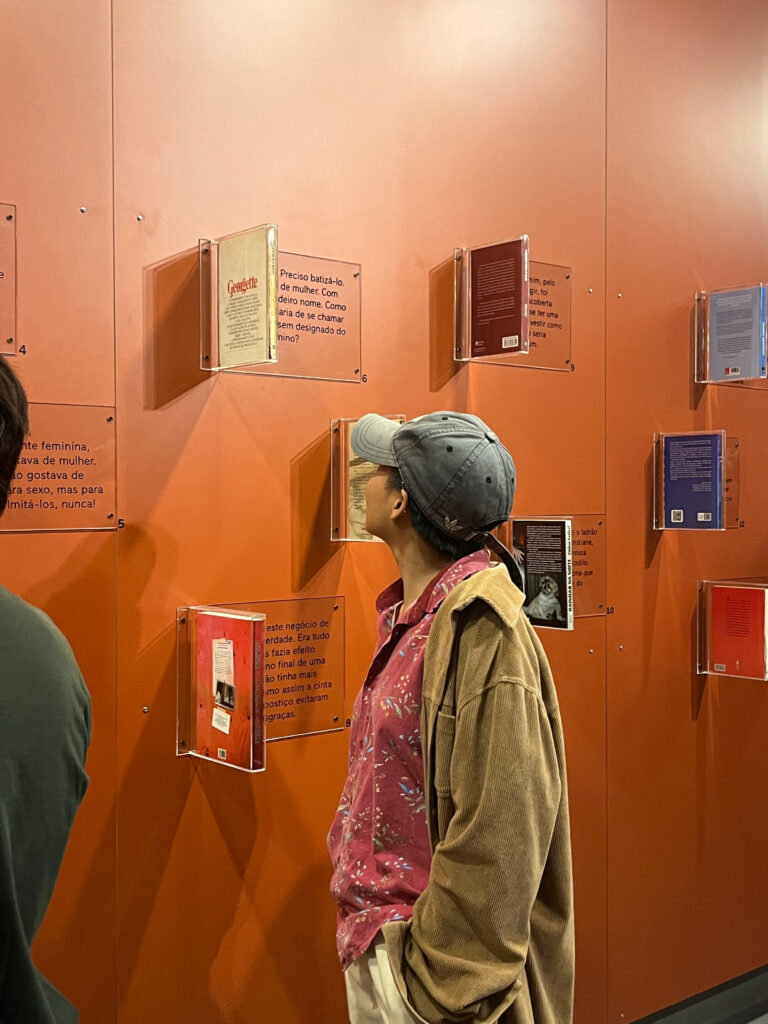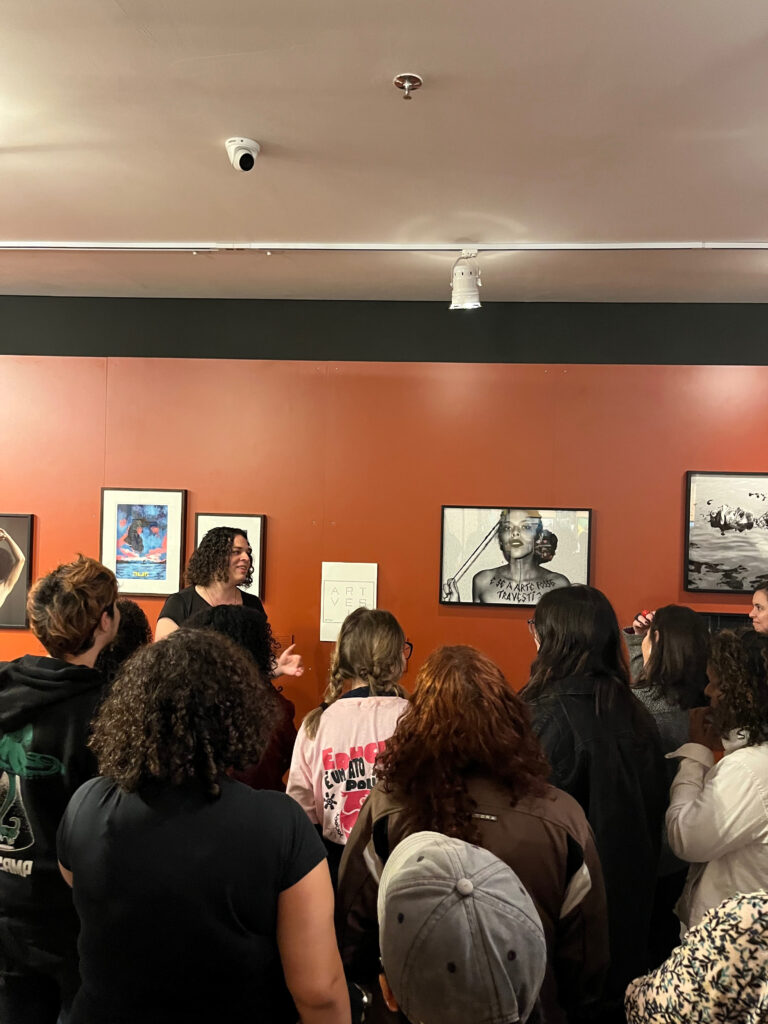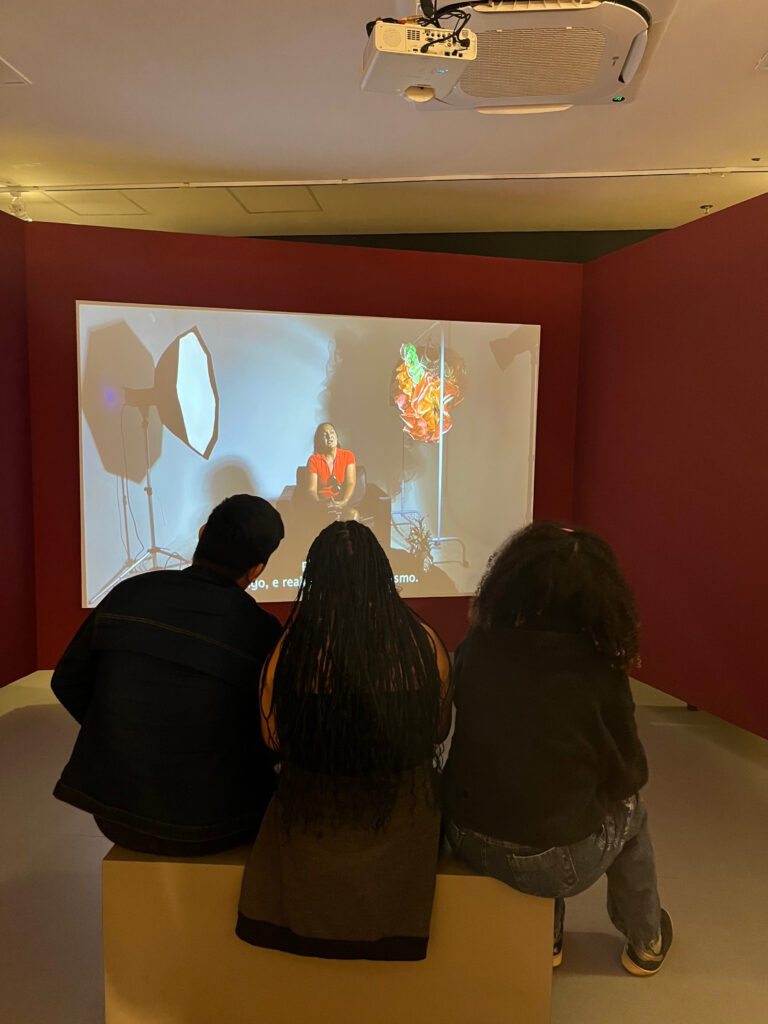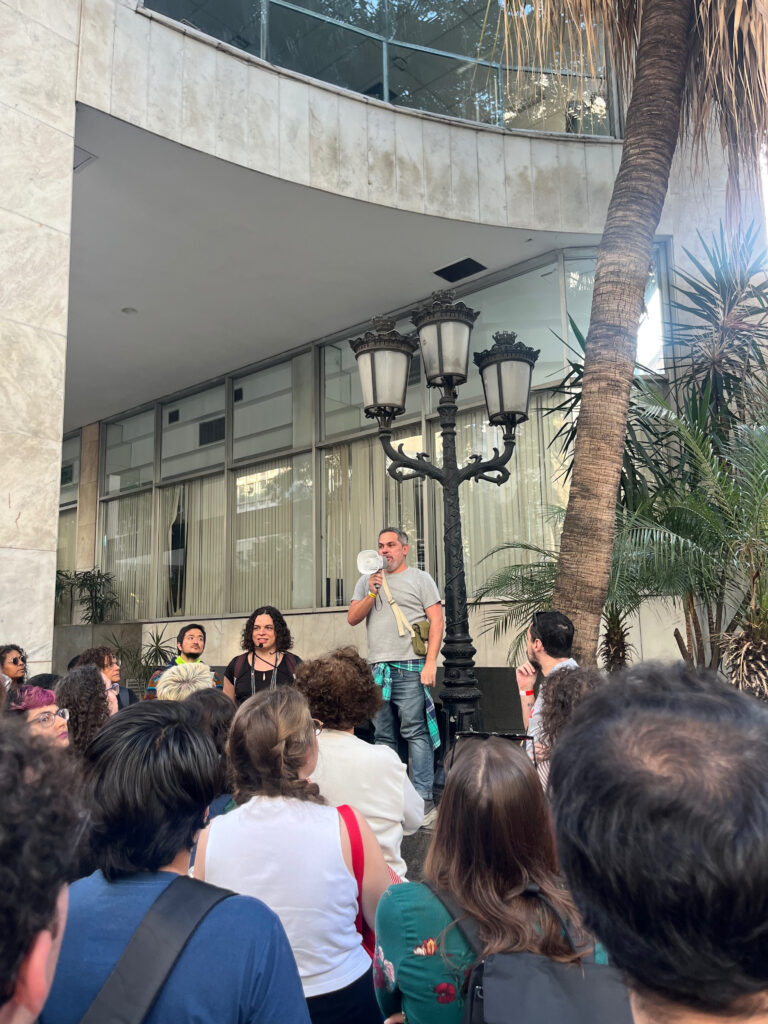
A cultural excursion to the Museum of Sexual Diversity in São Paulo, promoted on June 28th by the Faculty of Education of Unicamp (FE-Unicamp) in partnership with the FE-Unicamp Diversity and Inclusion Commission , brought together the unit's community, including students and staff. The activity was part of the FE-Unicamp Institutional Communication project , which monthly addresses themes related to the Faculty's values, reaffirming its commitment to a public, pluralistic, democratic, and politically engaged education.
This month, the highlighted theme was sexual and gender diversity , reflecting the value of inclusion and respect for differences as a fundamental dimension of educational practice and teacher training.
The excursion began with a guided tour of the Museum of Sexual Diversity , led by Dr. Amara Moira , writer, PhD in Literary Theory, and coordinator of Education, Exhibitions, and Cultural Programming at the Museum. Dr. Amara is also recognized for being the first trans woman to obtain a doctoral degree from Unicamp using her social name , and she shared with the participants not only the curatorial details of the exhibition but also sensitive reflections on the historical and political challenges faced by the LGBTQIAPN+ population in Brazil.
Throughout the day, the program also included the "Boca do Lixo/Boca do Luxo" tour , a guided walk that traverses the historical and symbolic layers of downtown São Paulo, connecting spaces of marginalization and cultural resistance of dissident bodies.
The event concluded with a grand celebration at the LGBT Soirée at the Museum of the Portuguese Language , featuring artists such as Auritha Tabajara , the first Indigenous person to publish cordel literature in Brazil and winner of the 2024 Jabuti Prize, the artist PH, and the poet and fanzine creator Formigão, strengthening the dialogue between education, art, memory, and diversity. The event fostered moments of listening, emotional exchange, and artistic expression that reaffirmed the importance of representation and culture as instruments of social transformation.
The field trip was an initiative organized by the FE-Unicamp communication project, which has been promoting a series of actions that address values such as solidarity, democracy, racial equity, social justice, diversity, and inclusion , always with the goal of engaging the FE-Unicamp community in collective reflections that go beyond the walls of the university.
“Our intention with the project is to give visibility to the values that guide our institutional practice. The excursion was a formative and political experience, which strengthens the links between university, culture and society”, highlighted the director of the Unit, Débora Jeffrey.